Florida Panhandle Properties: Vacation Home Meets Investment
There’s a specific type of real estate buyer I’ve been seeing more of lately.
They want a vacation home. But they also want an investment.
They want white sand beaches and turquoise water. But they also want the property to pull its own weight financially when they’re not using it.
And increasingly, they’re finding exactly that combination along the Florida Panhandle.
In this post, we’re going to look at why the Panhandle has become such an attractive option for people who refuse to choose between lifestyle and cash flow, and what makes a property work for both purposes.
The Panhandle’s Not-So-Secret Appeal
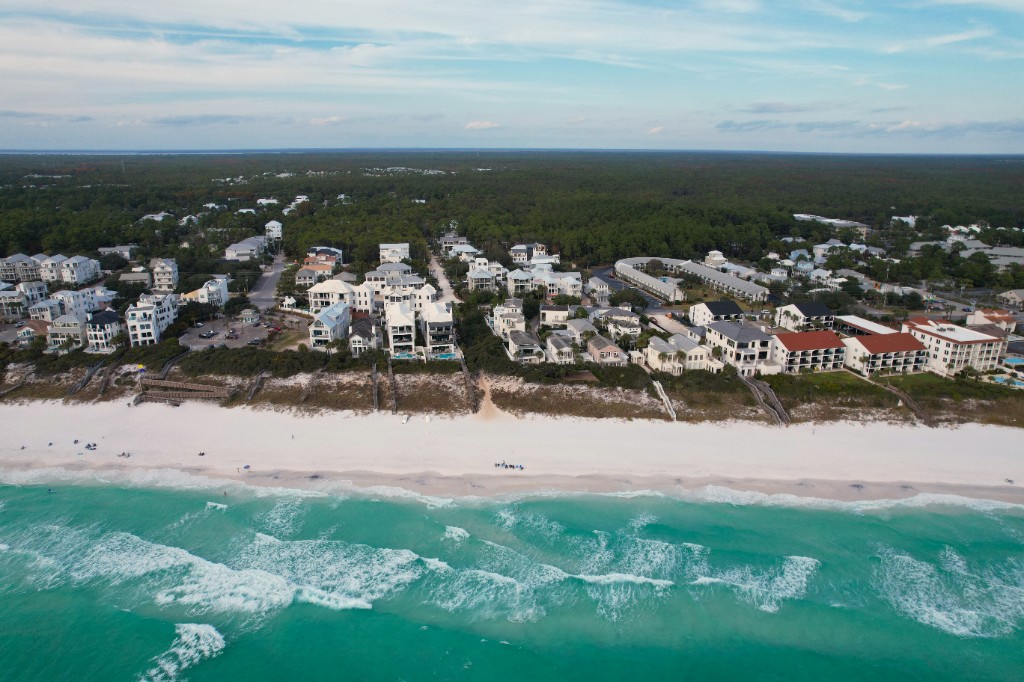
The stretch of Gulf Coast from Pensacola through Destin, South Walton (the famous 30A corridor), and Panama City Beach has always been beautiful. But over the last decade, it’s evolved into something more than just a regional beach destination.
Here’s what’s driving the interest.
The beaches rival anywhere in the Caribbean. The white quartz sand and emerald waters of the Emerald Coast aren’t marketing hype. They’re legitimately world-class, and people pay premium rates to vacation here.
It’s accessible from major population centers. You can drive here from Atlanta in under six hours. Nashville, Birmingham, New Orleans, and most of the Southeast are within reasonable road trip distance. That matters both for your personal use and for your rental guests.
Tourism infrastructure is mature and stable. This isn’t an emerging market where you’re guessing if tourists will show up. Millions of people visit the Panhandle every year. The vacation rental market is established, professional, and data-rich.
It’s still Florida, but different. You get the tax advantages, the warm winters, and the lifestyle benefits of Florida, but without some of the density and development intensity you see further south.
For someone who wants a beach property that can generate income, this combination is hard to beat.
The Economics of a Property That Does Both
Let me walk you through how this actually works in practice.
You buy a three-bedroom condo in Panama City Beach for around $600,000. Or maybe a beach house along 30A in South Walton starting around $1.9 million and up. The specifics vary, but the model is similar.
During peak season (roughly Memorial Day through early August, plus spring break), you rent the property at premium rates. A well-located condo can pull $2,000 to $4,000 per week during these months. Beach houses in prime areas can go even higher.
During shoulder season (fall and late spring), rates drop but you still get decent occupancy from retirees, remote workers, and people escaping crowds. Maybe $1,200 to $2,500 per week.
During your personal use windows, you block the calendar and use it yourself. Maybe two weeks in October when the weather is perfect and the crowds are gone. Maybe a long weekend here and there throughout the year.
During the slowest months (typically January and February, outside of any holiday weekends), you either keep it open for rentals at lower rates, use it yourself, or just let it sit empty and absorb the carrying costs.
When you run the numbers properly, a well-chosen property in a good location can cover 50 to 80 percent of its annual costs through rental income, while still giving you 4 to 8 weeks of personal use.
That’s not passive income that makes you rich. But it is a vacation home that costs you a fraction of what it would if you weren’t renting it out.
What Makes a Property Work for Both Purposes
Not every Panhandle property works well as a dual-purpose asset. Here’s what separates the ones that do from the ones that don’t.
Location is everything, twice over. You need to be close enough to the beach that tourists will pay premium rates, but you also need to be in a spot where you actually want to spend time. A place that’s great for renters but miserable for you personally isn’t going to work long-term.
The property needs to be rental-ready without feeling like a hotel. This means durable finishes, updated kitchens and bathrooms, enough beds and bathrooms to accommodate groups, and some personality. You want guests to love staying there, but you also want to feel at home when you’re using it.
HOA and local rules matter. Some communities restrict short-term rentals or cap the number of rental days per year. Some impose minimum stay requirements. Always confirm the rules before you buy, especially in condos.
Professional management is usually worth it. Unless you live close by and want to handle turnovers, maintenance, and guest communication yourself, you’ll likely use a property management company. Figure 20 to 30 percent of rental revenue goes to management fees, cleaning, and related costs.
Insurance and maintenance are higher at the beach. Salt air, storms, and heavy use take a toll. Budget accordingly, and don’t skip on insurance coverage.
The Mental Shift: Thinking Like an Owner-Investor
The biggest challenge I see with buyers pursuing this model isn’t financial. It’s psychological.
You have to be comfortable thinking about your vacation home as a business asset.
That means blocking your personal use around rental demand, not just your preference. If you want to use the place during July 4th week, you’re giving up $5,000 in rental income. That might be fine, but you need to go in with your eyes open.
It means maintaining the property for guests, not just yourself. Your taste in furniture might lean minimalist, but renters expect a fully equipped kitchen, plenty of towels, and beach gear. You’re furnishing for them as much as for yourself.
It means being realistic about cash flow. Some months you’ll make money. Some months you’ll lose money. What matters is the annual picture, not any single week.
And it means accepting that this isn’t a pure investment. If you want maximum returns, you’d rent it 52 weeks a year and never use it yourself. But that defeats the purpose. You’re optimizing for a hybrid outcome, which means accepting trade-offs.
The buyers who succeed with this model are the ones who can hold both ideas in their head at the same time: this is my vacation home, and this is my rental property.
Why Now Might Be a Good Time to Make This Move
The Florida Panhandle market today is in an interesting spot.
Prices are high compared to 10 years ago, but they’ve stabilized after the post-pandemic frenzy. Inventory is up, which means you have negotiating power and time to find the right property. Most homes are sitting on the market for three to five months, and many sell a few percent below asking.
In other words, you’re not fighting bidding wars or making panic offers.
At the same time, rental demand remains strong. Tourism to the Panhandle hasn’t disappeared just because the real estate market cooled off. Interest rates are higher than they were in 2021, but they’ve stabilized. If you’re planning to hold long-term, today’s rates are manageable. And sellers are motivated. Many owners who bought or refinanced at lower rates are now facing higher carrying costs and are willing to negotiate.
For someone who’s been thinking about a beach property that can work double duty, this is a much better environment to buy in than 2021 or 2022 was.
Questions to Ask Yourself Before You Buy
If this model sounds appealing, here are the questions you need to answer honestly before you move forward.
Can you afford the property without rental income? Treat the rental income as a bonus, not a requirement. Vacancies happen. Storms happen. Repairs happen. You need to be able to cover the mortgage, insurance, taxes, and HOA on your own if necessary.
How often will you realistically use it? If the honest answer is “maybe once a year,” you’re better off just renting a place when you want to visit and investing your money elsewhere. This model works best for people who will use the property at least a few weeks per year.
Are you comfortable with the management and logistics? Even with a property manager, you’re still the owner. You’ll get calls about broken appliances, guest complaints, and maintenance issues. If that sounds exhausting, this might not be for you.
Do you have a long-term plan? Are you buying this to hold for 10+ years? To eventually retire to? To pass down to your kids? Or are you planning to flip it in a few years? Your answer affects everything from financing to property selection.
What happens if rental rules change? Some communities have started restricting short-term rentals. While that’s less common in tourist-heavy areas like the Panhandle, it’s a risk worth considering.
Making It Work: Practical Next Steps
If you’ve thought through the questions above and this still sounds like the right move, here’s how to approach it.
Get pre-approved for financing. Second homes and investment properties have different requirements than primary residences. Know what you qualify for before you start shopping.
Define your criteria clearly. What areas are you considering? What’s your budget? How many bedrooms do you need? What amenities matter to you? How close to the beach do you need to be?
Underwrite the rental income properly. Don’t just look at peak season rates. Get annual occupancy data, understand the expenses, and run realistic scenarios. A good lender or advisor can help you model this out.
Visit during the off-season if possible. Everyone loves the Panhandle in July. Go see what it feels like in February or October. That’s when you’ll really understand if you want to own there.
Work with people who understand this market. This isn’t the same as buying a primary residence in a suburb. You want professionals who know the local rental market, the HOA rules, the insurance landscape, and the financing options.
The Bottom Line: Lifestyle Plus Leverage
The Florida Panhandle isn’t the cheapest beach market in the country. But for buyers who want a vacation property that can partially pay for itself while also being a place they genuinely want to spend time, it’s one of the best options available right now.
You get world-class beaches, strong rental demand, reasonable accessibility, and a mature tourism infrastructure. You can own a place that your family uses and enjoys, while also generating income when you’re not there.
It’s not a passive investment. It’s not a free vacation home. But it is a way to own a piece of the coast without writing a check for the full cost every single year.
If that sounds like the kind of trade-off you’re willing to make, let’s talk. I’m happy to walk through the numbers, discuss financing options, and help you figure out if this model makes sense for your situation.
Because the best real estate decisions aren’t about choosing between lifestyle and investment. They’re about finding the places where both can work together.